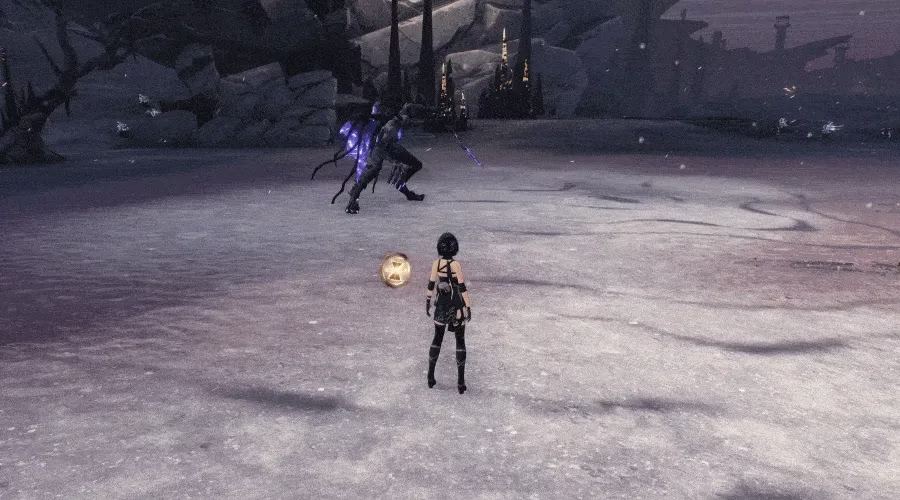
I came back to Wuthering Waves in 2026 expecting the combat to feel familiar, and it did — but only in the way a language feels familiar before you try to speak it under pressure. The first Crownless fight still acts as a brutal entrance exam: it forces me to read tells, chain normal attacks, burn stamina on evasion, and look for the moment when a parry turns the whole exchange. What I find most persuasive after a week of fresh sessions is that the system sells three ideas at once: fast pace action, visually appealing combat representation, and strategy oriented team building. The flash is obvious. The strategy is what keeps me testing teams.
The Six Tools I Keep on My Mental Hotbar
I break every Resonator's kit into six practical categories: normal attack, evasion, Resonance Skill, Resonance Liberation, Resonance Circuit, and parry. That list sounds simple, but each entry changes shape depending on who I field.
Normal Attacks. Every Resonator has a basic string, but I no longer treat it as filler. An'ke is my clearest example: her fourth normal attack spawns an Emotion Particle, and if I tap the attack button again inside that window, she launches an enlarged Wooly follow-up. The timing gives her a tidy, paced rhythm that contrasts with her frenzy state. I find myself counting beats instead of mashing. Heavy attacks — holding the normal attack button — usually cost stamina, and pistol users enter Aim Mode for one stronger shot. Taoqi turns a heavy attack into Xuanwu's Defense, reducing incoming damage and eventually countering while healing the team. Sanhua can detonate Wall of Ice Picks, Ice Prisms, and Glaciers along her heavy attack path, especially if I time a Resonance Skill into the strike.
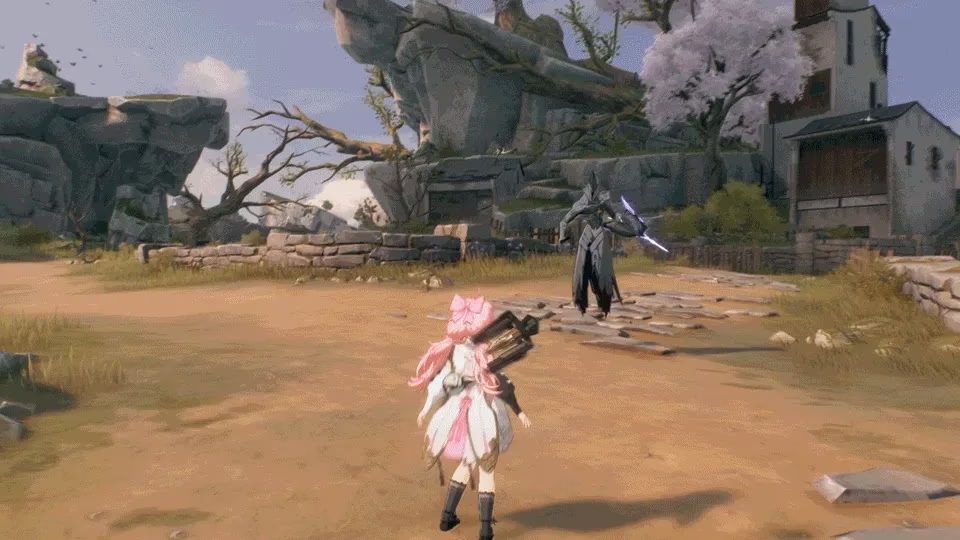
Midair combat is another layer I have been drilling. Jiyan can change his air attack style after his Resonance Skill; Chixia and other pistol users lay down continuous fire until stamina runs out; some Resonators even get midair heavy attacks. In 2026, I still see new players ignore vertical play, and I understand why — it is easy to forget when the ground combo feels so good.
Evasion. I use evasion as a priority interrupt, not just a dodge. It costs stamina, and without a directional input I hop backward, but the real value is that it can cut most actions and create an evasive counterattack. My best exchanges start with an enemy attack almost landing, a quick evade, and a punish. That is where the fast pace stops feeling chaotic and starts feeling like a conversation I am winning.
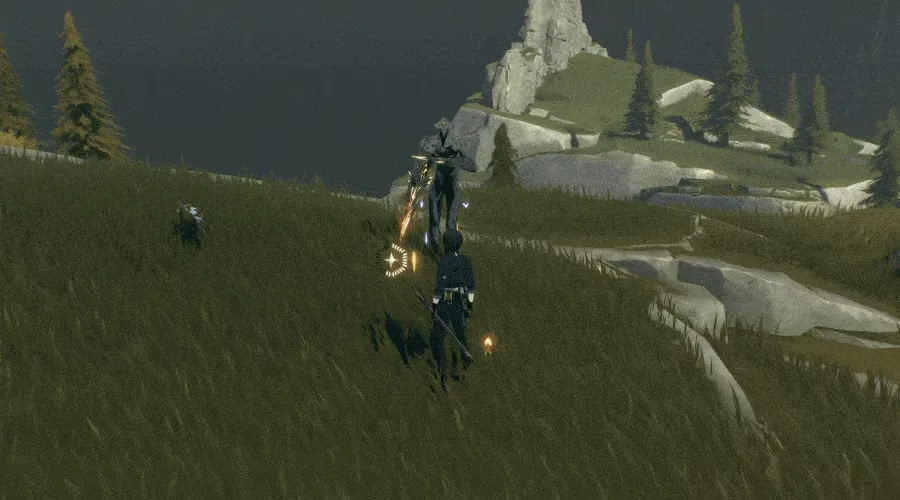
Resonance Skills. These are the identity cards. Most have recovery time, so I treat them as appointments, not spam buttons. Danjin is the exception I keep coming back to: her Vermilion Shards arts consume HP, her Resonance Skill has no recovery time, and her normal attacks recharge Scarlet Essence. Once it is full, she can unload deadlier combos and heal back. I enjoy that loop because it makes risk tangible. I am always negotiating with her health bar.
Resonance Liberation. I build Resonance Energy through Resonance Skill hits and Concerto Effects, then spend it on the big button. Liberation is usually the most powerful ability a Resonator has, and it can flip a fight through damage, buffs, or both. Jiyan enters Triumphant Status after Sky Roaming - Certitude, turning his claymore into a lance that clears the Qingloong's path. Jueyuan's Liberation grows vegetation, marks enemies with Photosynthesis Sigil, and turns team damage into healing and coordinated attacks. That combination of offense and healing is why I keep her in mind when I build around sustain.
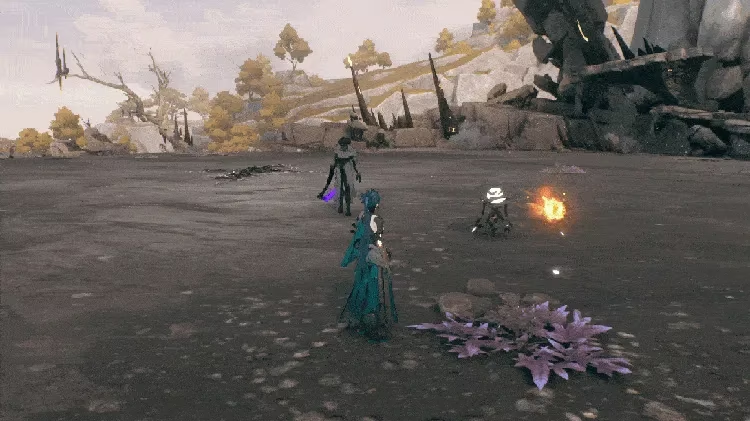
Resonance Circuit. This is the mechanic I study first when I pick up a new Resonator, because it usually explains the whole kit. Rover's circuit circulates Sound Fragments through strikes and evasions; the Resonance Skill consumes them for damage and Resonance Energy, setting up the next Liberation. Once I internalized that loop, Rover stopped feeling like a starter character and started feeling like a rhythm game with a sword.
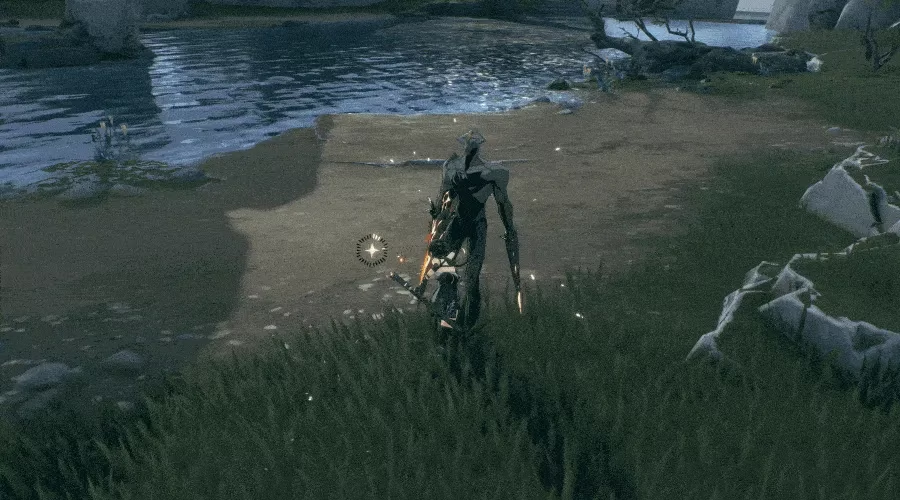
Parry. Some enemy skills open a parry window, and a successful parry disrupts the attack entirely. I still chase that sound. It is the cleanest expression of the combat's visual and mechanical confidence.
Concerto Is Where My Team Building Gets Tested
The part of the system I underrated at first is the Concerto layer. I build Concerto Energy through direct damage and Echo Skills; when it is full, switching Resonators triggers the Concerto Effect tied to the incoming Resonator's Resonance Attribute. There are five types — Unison, Ensemble, Sustenance, Legato, and Duet — and each one changes the field in a different way.
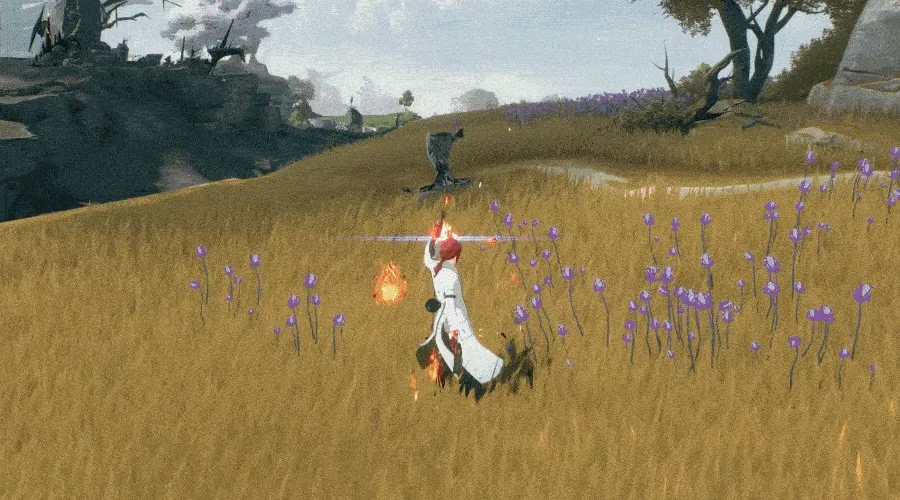
My favorite current example remains Jiyan and Mortefi. Jiyan is Aero, Mortefi is Fusion, and their pairing sets off Heat Ensemble, which boosts Attack and Critical Damage for the Resonator on the field. Then Mortefi's Resonance Liberation applies Vulcan Rhapsody to the team, adding Fusion damage to normal and heavy attacks. Stack that with Jiyan's Triumphant Status and I get a window where every button seems to hit harder. It is not just a damage combo; it is a team-building decision that pays off in a specific order.
| Piece of the puzzle | What I watch for | Why it matters |
|---|---|---|
| Concerto Energy | Full gauge before switching | Unlocks the incoming Resonator's Concerto Effect |
| Attribute pairing | Aero + Fusion, for example | Determines which of the five effects triggers |
| Concerto Skill | Switch at max energy | Brings a unique QTE entrance and battlefield role |
| Resonance Liberation | Energy peak | Converts setup into a fight-ending window |
I also use Concerto Skills as emergency tempo. Switching at max energy lets the incoming Resonator perform a QTE with a different entrance and position. In a messy fight, that repositioning can be as valuable as the damage.
What I Tell New Players in 2026
I tell them to learn the loop, not the highlight reel. Strike to build Concerto Energy, use skills and Echo abilities to keep the gauge moving, trigger the right Concerto Effect, then spend Resonance Energy on a Liberation that changes the tempo. The Crownless fight teaches offense and evasion, but the real classroom is team composition. A reasonable team with the right Concerto Effects for the occasion is worth more than a high-damage Resonator played without a plan.
My 2026 verdict is simple: Wuthering Waves combat still rewards me for paying attention. The animations pull me in, the parry windows keep me honest, and the Concerto system makes me think about the team before I ever press a button. I am still finding new interactions, and that is exactly why I keep queuing up.